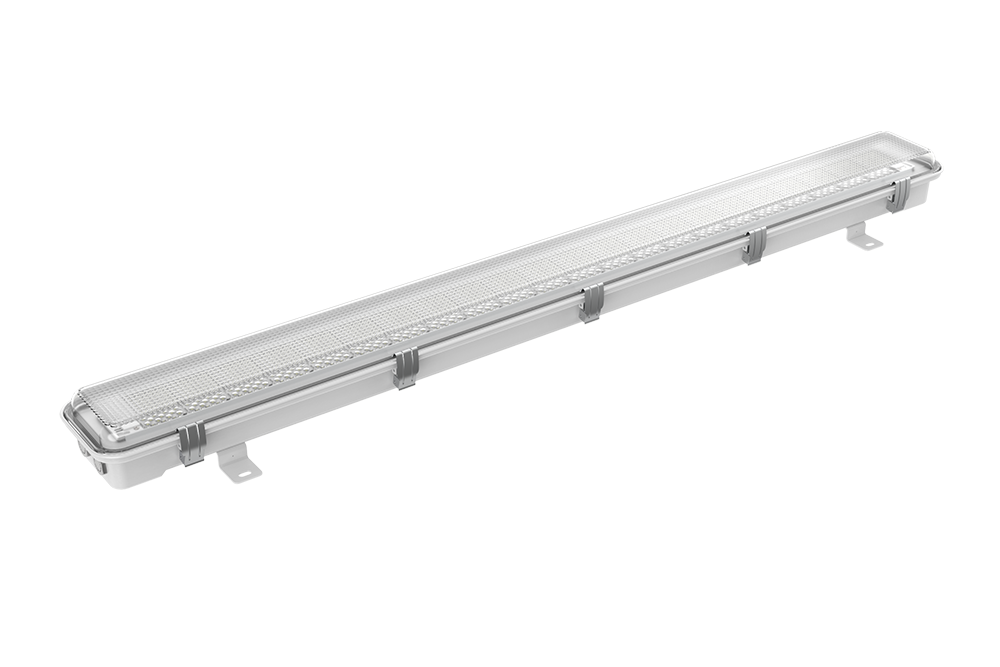
How do explosion proof led light fixtures compare to traditional HID systems?
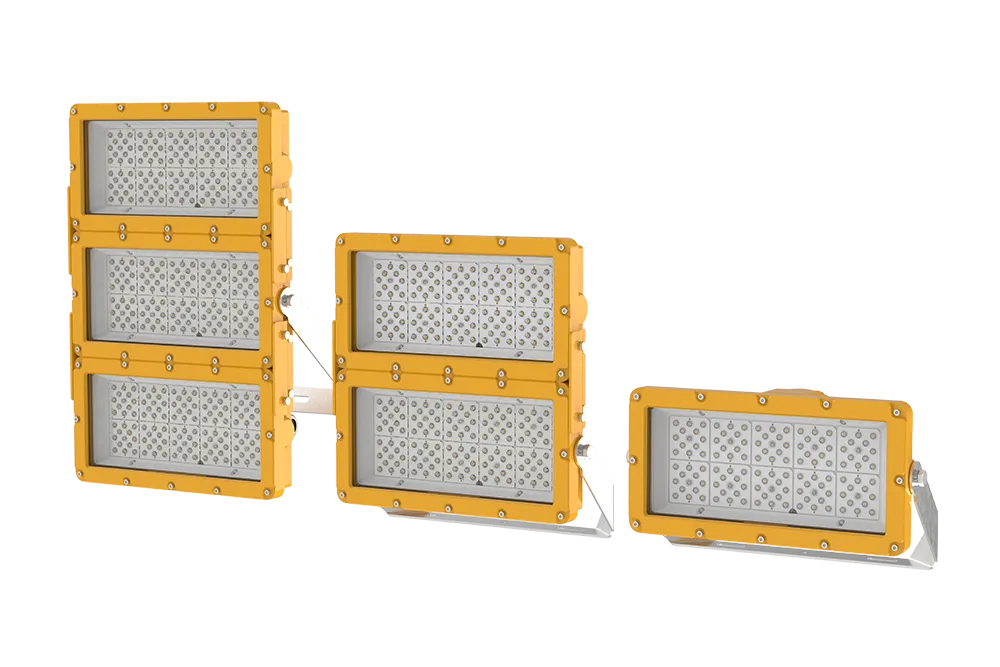
Launching the following paper analyzes an methods with explosion-proof devices among manufacturing fields.
Executing reliably in treacherous areas such as manufacturing factories involves customized equipment so as to avoid conceivable hazards. Hazloc illumination systems are indispensable components in corresponding sites, produced to endure sparks, ignitable vapors, and ignitable atmospheres. All devices are never naturally safe; alternatively they are constructed to restrain any inside flash or glimmer and prevent it from starting a expanded blast in the proximate site. This overview supplies fundamental facts about explosion-proof devices, their exploits, and protection issues for applying them properly.
Appreciating Explosion Proof Lighting Standards
Adhering to these blast-proof lighting protocols can be tough, especially within domains involving hazardous sites. These rules – often referring to worldwide bodies namely the National Electrical Authority (NEC), ATEX (Europe), and IEC – dictate stringent design and deployment steps to limit the likelihood of fire outbreaks from lighting fixtures. Understanding such standards is necessary for ensuring laborer safety and fulfillment with binding commands.
Crystal Explosion Proof Fixtures: Performance & Security
Electroluminescent blast-proof lighting units exhibit a notable boost over conventional filament units in spaces where volatile materials are detected. These robust devices exclusively generate high-quality power savings, resulting in declined expenditure, but especially guarantee a higher scale of preservation by stopping the possibility of flaring because of fault faults}.
Explosion Certified Hazardous Region Hazardous Proof Ignition Fire Light Resistant} Units : A Extensive Examination
Ex Unsafe Environment Risky Proof} Systems are customarily built lighting solutions built to behave safely within likely volatile sites. These solid fixtures eliminate sparks, thermal flux and electric discharges from producing a major explosion. They typically incorporate cutting-edge designs, utilizing exemplifying airtight housings and inherently safe energy elements to preserve safety requirements in workplaces like crude & gas processing, refinement plants, mining operations, and therapeutic production.
Selecting the Proper Hazloc Devices for Hazardous Environments
Determining the perfect explosion-proof devices for a intended at-risk location calls for thorough examination. Factors such as the categorization (e.g., Level I, II, or III and zones A) shall be correctly reviewed to maintain conformance with related defense codes. Additionally the area's typical perils, ponder ambient elements, embracing temperature and dampness, to determine a resilient and safe option. Consistently collaborate with a authorized expert to help your evaluation.
Environments Where Require Explosion Proof Lights?
Explosion-proof alternatively intrinsically safe|hazardous location|Class-rated} luminaries are unequivocally needed in multiple areas where hazardous substances or dust could likely create a explosive atmosphere. This often includes processing treatment plants, lacquer application areas, cereal handling facilities, and water treatment treatment sections. Regulations, such as those from UL and IEC, dictate their installation in these locations to prevent the risk of sparks and guarantee safety integrity.
Advantages of Solid-State Lighting in Hazardous Location Fixtures
Transitioning to Light Emitting Diode technology for intrinsically safe illumination offers a significant range of boons. First, semiconductor devices boast a remarkably longer functional period compared to traditional neon devices, reducing care fees and outages. They are also intrinsically safer, producing less infrared energy which reduces the likelihood of flaring in dangerous atmospheres. Furthermore, electroluminescent units are substantially power conserving, leading to decreased electricity outlays and a cut down carbon footprint. Finally, the strong make of Solid-State Lighting fixtures sustains the extreme conditions typical of detonation-safe areas.
- Enhanced Operating Life
- Curtailed Repair Expenses
- Heightened Risk Management
- Lower Electrical Usage
- Fortified Robustness
Conserving and Reviewing Explosion Proof Lighting Systems
Routine tuning and comprehensive checkup of ignition-resistant lighting frameworks are required essential for upholding safety and minimizing potential hazards. This entails a frequent review of all units, such as lighting apparatus, channels, current conduits, and linked connection enclosures. Notably, assess for degradation, physical defects, and adequate earth connection. Over and above, ascertain that collective labels are clear and that the light units satisfies official requirements.
- Conduct observable reviews.
- Review wire terminations.
- Authenticate spark protection.
Upcoming Trends of Explosion Proof Lighting Technology
Progressing landscape of explosion-proof sources technology guarantees a meaningful shift from traditional designs. Future solutions will more and more incorporate remote capabilities, enabling wide-area monitoring, diagnostics, and adaptive control. We look forward to a expanding adoption of solid-state technology, not only for its built-in energy efficiency, but also its power to facilitate included sensors for tracking treacherous conditions. Over and above, materials inquiry is driving innovations in durable housing materials, allowing for smaller and optimized led explosion proof flood lights designs, while preserving the necessary levels of security.
- Better battery life for remote applications.
- Merge with preventive maintenance frameworks.
- Innovation of automated lens systems.